
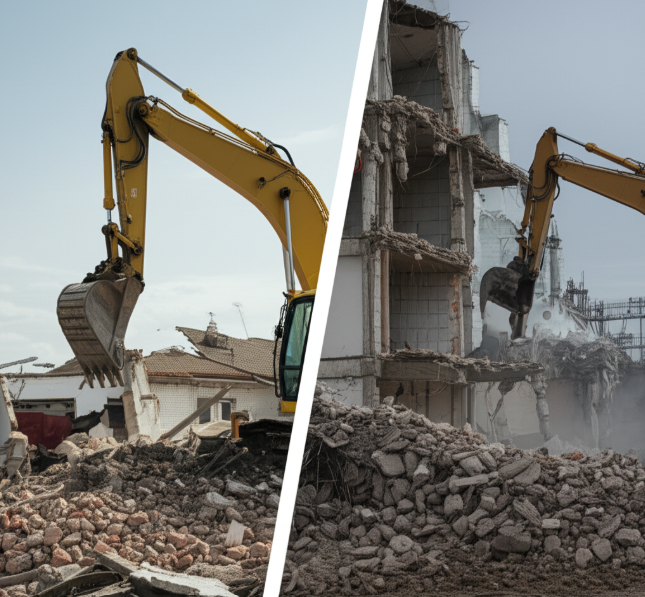
When you hear demolition, you might think of gigantic machines crushing into walls and dust everywhere. Sounds chaotic and grimy, right? But really, it is much more organized and methodical than most would think. Especially in a place like Miami, where nature coexists with city life, demolition has to comply with some very rigorous environmental laws.
Miami is a unique spot. It has Biscayne Bay, the Everglades within a short distance, and a crowded coastline. All these areas are sensitive, and with one small mistake when performing a demolition, a lot of damage is done. Contractors thus cannot just show up with machinery and proceed to wreck everything. There are standards to protect the air, the water, and even animals inhabiting the surrounding neighborhoods.
If you’re curious about how this all works maybe you’re planning to tear down an old building or just want to understand what’s involved you’re in the right place. We’ll walk through the main environmental rules for Demolition Services in Miami, why they matter, and how they keep both people and the planet safe.
What Are the Core Environmental Regulations for Demolition in Miami?
Miami demolition isn't just about getting a permit and going ahead. There are many agencies that control how it's done. The U.S. Environmental Protection Agency makes sure toxic materials like asbestos or lead-based paint are handled properly. The Florida Department of Environmental Protection takes care of water and waste concerns. And at the local level, Miami-Dade County also has regulations and monitors to make sure projects won't do damage to the community and environment.
This several-step process might appear to be too much paper, but it exists for a reason. It makes demolition safe and does not lead to a series of complications for residents or the city.
Why Is Asbestos Testing Necessary Prior to Demolition?
Here's something that not many homeowners are aware of: older buildings contain asbestos. It was added to insulation, tiles, roofs, and beyond. The danger comes when it's disturbed and small pieces float in the air. Breathing in those pieces can lead to severe health issues.
That’s why before any demolition, inspectors have to check for asbestos. If they find it, licensed professionals are called in to remove it safely. This isn’t just about following the law it protects workers and neighbors and keeps asbestos out of Miami’s soil and waterways.
How Does Demolition Impact Air Quality?
Tearing down a building generates a tremendous amount of dust. If nothing is done, that dust will migrate into homes and schools a short distance away. It can be filled with unhealthy particles, especially if the building has old paint or hazardous materials.
To prevent this, Miami has strict air quality laws. Contractors often spray water on debris to keep it down. They even go so far as to put in screens or fences to keep it from spreading. These simple steps make a big difference in the public's health. Miami Demolition Services that do not take this into consideration can be fined and have projects closed.
What About Waste and Debris Disposal Laws?
When walls fall down, there is usually a huge amount of rubble. That trash cannot be shipped anywhere. Miami-Dade County requires that it be sorted and shipped to approved landfills or recycling plants.
Materials like metal and concrete are typically recycled. Old chemicals or tanks are hazardous waste and separated from the rest. It takes a little more effort, but it prevents illegal dumping and pollution from getting out of hand. And on top of it all, recycling can save contractors some money.
How Do Stormwater Management Regulations Affect Demolition?
Miami’s heavy rain and nearby waterways mean demolition projects have to think about runoff. Without controls, rainwater can wash loose dirt, oil, or other pollutants into Biscayne Bay.
To stop that, contractors put up barriers and follow erosion control practices. They may need special drainage plans too. It’s not optional; inspectors check for it. Protecting Miami’s water is a big priority, and stormwater management is a big part of that.
Are There Miami Demolition Projects Wildlife Protection Rules?
You would be surprised to hear it, but occasionally old properties or land will harbor wildlife. Endangered creatures such as burrowing owls or certain bats may be present on the property.
If inspectors find them, contractors can’t just proceed. They work with wildlife experts to move them safely. This can delay a project, but it’s the right thing to do and required by law. Miami’s ecosystem is part of what makes it special, and demolition rules respect that.
What Permits Are Required for Environmental Compliance?
Permits are a big part of demolition work in Miami. You’ll usually need:
- A Miami-Dade County demolition permit
- A permit for asbestos removal if asbestos is found
- Stormwater construction permits for working near water or with large land disturbance
- They all have their own paperwork and schedule. Doing it in advance avoids much headache.
Why Do These Rules Matter Beyond Compliance?
At first glance, these rules might look like added cost and hassle. But they serve a purpose. They keep neighborhoods safer, protect natural resources, and avoid long-term problems like pollution or health concerns.
From a business perspective, even following the rules also protects contractors and property owners from lawsuits or fines. It's easier to do it right the first time than to pay for mistakes later.
How Can Contractors Stay Compliant and Environmentally Friendly?
If you’re a contractor or even a homeowner planning demolition, the key is preparation. Some smart steps include:
- Hiring professionals who know Miami’s rules
- Doing inspections early for asbestos, lead, and wildlife
- Planning waste disposal before the first wall comes down
- Staying updated since regulations can change
Some companies take it a step further and use eco-friendly processes or recycling campaigns. It makes it easier for projects to operate and does not ignore the environment.
Conclusion: Building a Cleaner World With Responsible Demolition
Demolition is not ripping everything down. If done properly, it's the start of building something new. By following environmentally friendly standards, Miami Demolition Services make the city clean and safe for everyone.
Whether you're tearing down a centuries-old building or embarking on a major commercial venture, knowing these regulations is in your best interest. It protects people, the earth, and your project. Responsible demolition makes a cleaner, safer Miami to live and work in for generations to come.
FAQ: Environmental Regulations for Demolition Contractors in Miami
1. Do I need an asbestos inspection before every demolition?
Yes. Miami requires pre-demolition inspections even if you think the building doesn't contain asbestos.
2. What happens if a contractor ignores environmental regulations?
They can face big fines, legal problems, and even lose permits.
3. Can materials be recycled from a demolition?
Yes. Many materials like metal, wood, and concrete can be recycled, which is good for both the environment and costs.
4. Are there special rules for demolishing near water?
Yes. Projects near water have strict runoff and stormwater rules to protect Miami’s waterways.
5. How many days does it take to get the necessary permits?
It varies with the project. Plan ahead; avoid delays.
Resources
Miami-Dade County Regulatory and Economic Resources
Florida Department of Environmental Protection
National Demolition Association – Environmental Best Practices