
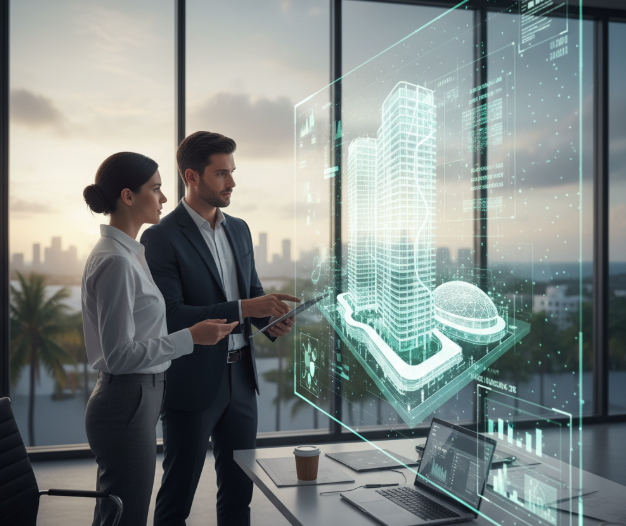
Let’s be honest: when most people think of construction, they imagine bulldozers, piles of lumber, and maybe a guy in a neon vest yelling over a jackhammer. What doesn’t come to mind right away is technology. But if you’ve been anywhere near the design-build world lately, especially here in Florida, you’ll notice things have changed in a big way.
A modern Florida design-build firm is not just about swinging hammers anymore. It’s about software that predicts delays before they happen, drones buzzing overhead to scan sites, and even virtual reality goggles that let you walk through your future home or office long before a single wall goes up. The entire process is more digital, more collaborative, and (dare I say) a lot less stressful than the old-school “architect here, contractor there, and nobody talking to each other” model.
Now, why is this so important for Florida specifically? Because we live in a state where construction isn’t always straightforward. We’re dealing with hurricanes, rising sea levels, strict codes, and a population that just keeps growing. Technology is how builders are keeping up. In fact, it’s not just about keeping up; it’s about staying one step ahead. Whether you’re dreaming of a sleek new office in Tampa, building your dream house in Miami, or investing in a big mixed-use development in Orlando, the role of tech in design-build projects is now front and center. And trust me, once you see how it all comes together, you’ll never look at construction the same way again.
Why Technology Matters in Design-Build
Closing the Communication Gap
If you’ve ever been part of a construction project before, you know miscommunication is a big deal. One person says one thing, another hears something else, and next thing you know, a wall is in the wrong place. Technology solves a lot of that. With tools like Building Information Modeling (BIM), everyone from the plumber to the client has access to the same 3D model. It’s kind of like sharing a group chat where nobody can say, “Oh, I didn’t know that.”
Florida’s Unique Hurdles
Now, throw Florida into the mix. We’ve got storm-proofing to think about, humidity, flood zones, and a maze of environmental regulations. That’s where technology becomes a lifesaver. A Florida design-build firm using advanced software can literally run simulations to see how a building might hold up in 150 mph winds or figure out water drainage before pouring the foundation. It’s not just efficiency, it’s survival.
Major Tech Trends Shaping Florida Projects
1. BIM as the New Blueprint
Remember when blueprints were giant rolls of paper that nobody wanted to unfold? Those days are fading fast. BIM is now the backbone of design-build projects. It creates a living, breathing digital model of the project. Here in Florida, where permitting can drag on forever, BIM speeds things up by checking designs against codes automatically. It’s like having a cheat sheet that makes sure you’re not breaking the rules.
2. Virtual & Augmented Reality
Here’s the fun part: VR and AR. Imagine slipping on a headset and walking through your future kitchen or conference room, moving walls around or swapping finishes on the fly. That’s what clients are getting now. I’ve seen people make decisions in a VR walkthrough in minutes that would’ve taken weeks of back-and-forth drawings before.
3. Drones Doing the Heavy Lifting
Okay, maybe not literally lifting (yet), but drones are everywhere. In Florida’s wide-open spaces and waterfront builds, drones can map a site faster than a survey crew. They spot safety hazards, track progress, and even find heat leaks in roofs. They’re basically the eyes in the sky every modern builder wishes they had a decade ago.
4. Artificial Intelligence Behind the Scenes
AI isn’t just for chatbots, as it’s creeping into construction schedules too. Let’s say there’s a storm warning in Naples or a materials shipment is delayed in Jacksonville. AI-powered platforms can reshuffle tasks automatically, predicting delays before they happen. For clients, that means fewer “sorry, we’re behind” phone calls.
5. Green and Sustainable Tech
This one hits close to home. Florida’s climate reality makes sustainability more than just a buzzword. From solar-ready roofs to water recycling systems, builders are using technology to make structures eco-friendly and cost-efficient. I know one Florida design-build firm that uses AI software to optimize airflow, which cuts cooling costs in half, pretty handy in our never-ending summers.
Cool Innovations to Watch
Smart Materials
The materials themselves are getting “smarter.” Think concrete that literally heals its own cracks or glass that reflects sunlight to reduce AC bills. With Florida’s sun and storms, these aren’t luxuries; they’re practical upgrades that save money and extend building life.
Robotics on Site
Yes, robots are laying bricks now. Not everywhere, but slowly. The point isn’t to replace people; it’s to take over repetitive, risky tasks so crews can focus on skilled work. And in high-heat Florida job sites, that’s a big deal.
Digital Twins
Here’s a nerdy but fascinating one: digital twins. It’s basically a full digital replica of a building, used to test performance and plan maintenance. For Florida’s coastal cities, this means simulating sea-level rise or storm surges without ever touching the physical building.
Why Clients Actually Care About All This
Real-Time Updates
Nobody likes being left in the dark. With cloud-based dashboards and mobile apps, clients can literally log in and see where things stand. Some platforms even show daily photos or allow direct messaging with the project manager. It’s like watching your dream project come alive without driving to the site every week.
Lower Costs in the Long Run
Technology might seem pricey up front, but it’s a money saver. By avoiding mistakes, shortening timelines, and reducing material waste, tech-heavy projects often end up cheaper overall. Plus, energy-efficient designs keep paying you back year after year.
Safer Sites
Florida heat is no joke. Workers wear sensors that monitor body temperature and heart rate, flagging risks before someone overheats. Add in drones inspecting high-risk areas, and you’ve got a much safer job site than we used to.
Choosing the Right Florida Design Build Firm
Here’s where it gets personal. Not every firm is embracing this stuff. Some are still running on clipboards and faxes (yes, really). When you’re interviewing a potential partner, ask:
- Do you use BIM and VR for projects?
- How do you handle sustainability?
- What platforms do you use for communication?
If they stumble through those answers, that’s a red flag. A good Florida design-build firm should be eager to show off its tech because it’s what makes it better.
FAQs
Q1: Does all this tech make building more expensive?
Sometimes at the start, yes. But the long-term savings on time, materials, and energy usually outweigh those costs.
Q2: What’s the biggest trend in Florida right now?
BIM and VR are leading, but I’d argue sustainability is the next big wave, especially with energy codes tightening.
Q3: Can small home projects use this, too?
Of course! Even single-family homes benefit from BIM models and VR walkthroughs.
Q4: Do all firms in Florida use drones and VR?
Not at all. That’s why it’s worth checking if your firm invests in the latest tools.
Q5: How does technology keep workers safe?
Sensors, drones, and AI monitoring are basically tools that spot risks before people get hurt.
Resources
- Florida DBPR – Licensing and building standards
- AIA Florida – Architect resources and events
- Construction Dive – Industry news
- National Institute of Building Sciences – BIM and digital twin research
Conclusion: Smarter Building, Stronger Future
At the end of the day, technology isn’t here to replace builders; it’s here to make them better. It gives architects more tools to dream big, contractors fewer headaches, and clients more confidence. And in Florida, where nature constantly tests our structures, embracing these innovations isn’t just about keeping up with trends; it’s about creating buildings that last.
So if you’re planning a project, big or small, don’t just hire any team. Find a Florida design-build firm that’s embracing these technologies. You’ll thank yourself later when your project runs smoothly, costs less in the long run, and is built to handle whatever our state throws at it.