
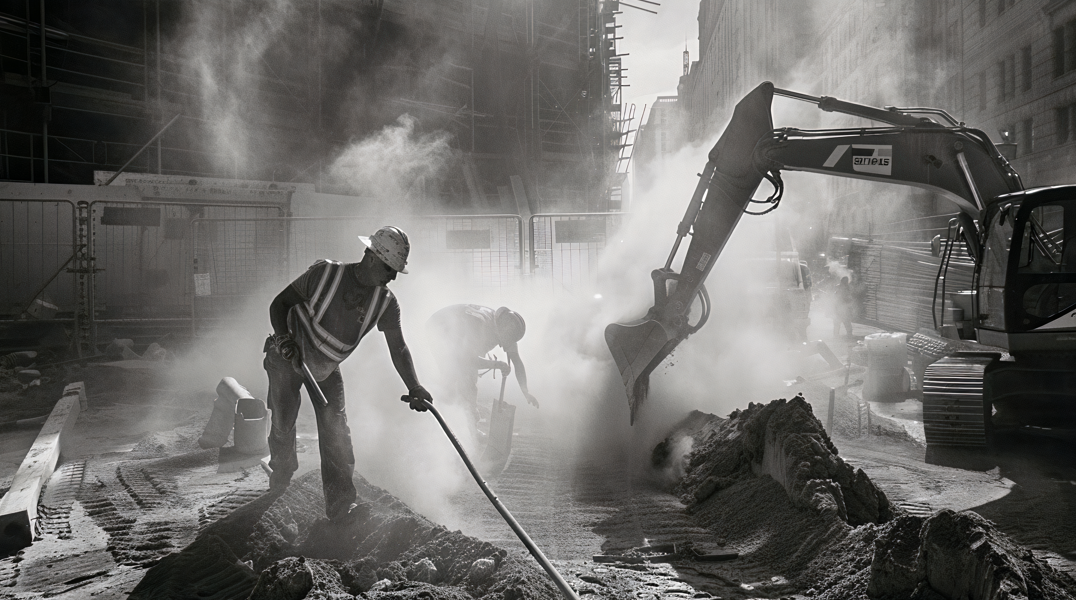
In most people's minds, when they think of demolition, they see massive equipment dismantling an edifice in a barrage of dust. It looks theatrical, noisy, and perhaps a little disorganized. Yet, upon inspection, Miami demolition is not simply the act of dismantling. It is the onset of development, evolution, and the upliftment of the community. Every structure that is torn down has the promise of a new school, a new park, a residential building, or a new business district waiting to take its place.
Having lived in Florida for some time, I am familiar with the rapid pace of change Miami experiences. One year, the landscape is dotted with dated strip malls sporting faded signage; the next, they are replaced with modern plazas boasting eateries, offices, and even commissioned street art. There is a reason behind this metamorphosis. It begins with the conception, followed by safety evaluations, issuing of permits, and the presence of competent personnel to eradicate the dated elements without causing collateral damage. A reputable demolition company in Miami frequently kicks off this change. Their role is akin to show-business stagehands they do the necessary cleanup for the show to have a more dazzling centerpiece.
What’s easy to forget is that demolition isn’t only about buildings. It affects people, neighborhoods, and the overall quality of life in the community. Removing unsafe structures can prevent accidents. Clearing abandoned properties can reduce crime. Making space for housing or public amenities can bring families together. So, while it may look like destruction on the surface, demolition is often the first step in building a stronger, safer, and more connected Miami.
Why Is Demolition Important for Miami’s Growth?
Miami is a city that is always on the move. The skyline evolves as new businesses emerge and old neighborhoods undergo transformations fueled by innovative concepts. However, in order for new construction to take place, existing structures have to disappear. This is the critical function of demolition.
- Safety Comes First: In a city like Miami, which is vulnerable to hurricanes, old structures pose a hazard. They can be fragile and pose the risk of collapse. Removing such structures eliminates a potential hazard.
- Urban Vision: Think of districts where empty lots, derelict warehouses, and abandoned buildings lie. After they are cleared, these neighborhoods can be redesigned for new parks, new housing developments, or even new cultural centers.
- New business potential: The space cleared by demolition paves the way for new construction, and with that comes new jobs, new investments, and new growth for the future.
It’s the same as trimming a tree. You don’t remove branches with the intent of damaging the tree; instead, you do so to ensure the tree grows better and more aesthetically. Cities benefit in the same way from demolition.
How Do Demolition Companies Contribute to Community Development?
Demolition companies fulfill a multitude of functions beyond merely preparing a site for construction. They assist in small yet impactful ways that drastically alter the atmosphere of Miami.
- Reimagining old spaces: Imagine the shift from an outdated mall to a lively residential area, or the transformation of a decayed motel into a contemporary hotel that elevates tourism. These transformations are impossible to envision without demolition.
- Enhancing safety and public health: Communities become healthier and safer when dated structures with asbestos, mold, and other threats are demolished.
- Clearing the way for public initiatives: The construction of schools, libraries, and community parks typically follows the demolition of neglected or dangerous buildings.
- Eco-friendly practices: A growing number of demolition companies demonstrate environmental care by recycling materials such as steel, concrete, and wood, thereby minimizing waste and aiding sustainability.
Every time you observe a cleared lot, it is not just a vacant area. It signifies an opportunity. It represents a blank slate ready to document the community’s next journey.
What Makes Miami’s Demolition Work Unique?
Every city has its challenges, but Miami has its own special mix of circumstances that shape how demolition is done.
- Hurricane season realities: Buildings must be demolished with extra care to avoid loose debris or hazards that storms could worsen.
- Cultural preservation: Miami is rich with historic architecture, especially in neighborhoods like Little Havana or the Art Deco District in Miami Beach. Demolition companies need to work with local authorities to make sure cultural landmarks aren’t lost.
- Population density: Many demolitions happen in tight urban spaces where people live and work nearby, which means noise, dust, and safety have to be managed carefully.
It’s not just about tearing down walls. It’s about understanding Miami’s unique heartbeat and working with it, not against it.
How Do Demolition Projects Support Affordable Housing?
The topic of housing is quite relevant in Miami. Real estate prices are quite high, a nd families have a tough time searching for homes within their budget. As a consequence, for Nash Construction, one of the indirect ways of contributing to the housing sector is by clearing land for newer constructions.
An example of this is when an old apartment building cannot be refurbished any further. The construction company that specializes in demolitions can take over the project, and with the new procurement of the land, modern construction companies can construct many more housing units than previously served. Nash Construction is one of the demolition companies that works alongside other social programs and non-profit organizations. Such collaborations help in the conversion of the land into the construction of social housing. As its name implies, it is low-income housing.
Although it does not fully solve the Miami housing problem, it surely assists in working towards a solution. With each building that is torn down because it is no longer useful, Miami has the chance to build cost-effective housing for the future.
What About the Environmental Impact of Demolition?
It is a reasonable question: demolition isn’t just a gigantic mound of rubbish, right? Frankly, it was. But it is no longer the case, and companies in Miami are an incredible example of this.
- Recycling: Steel, copper, and concrete can all be salvaged and reused in new projects.
- Dust and noise control: Advanced equipment reduces disruption for surrounding neighborhoods.
- Eco-friendly planning: Some projects choose to “deconstruct” buildings, rather than demolish them, piece by piece, to preserve parts that can be reused.
Personally, I find this development to be the most thrilling aspect of demolition nowadays. It provides a wonderful example of how we can evolve positively while still being responsible.
How Do Demolition Companies Impact Local Jobs?
Now picture the team behind the collapse of a single wall. The half-dozen people behind one jackhammer, a safety inspector on the curb protecting the passersby, and a dozen more lugging timber from the old building so it can be recycled. Now imagine that same picture multiplied tenfold, because to take a building down, you need a team.
Demolition sets the stage for construction, which employs even more people, from the architects who dream up the new structure to the bricklayers who finish the last corner. A demo company in Miami doesn’t just give a site a fresh start: it breathes new life into every job that follows.
Common Challenges Miami Demolition Companies Face
No job is ever simple, and demolition work in Miami comes with its own set of hurdles:
- Permitting and regulations: Projects must follow strict city rules, which can slow things down if paperwork isn’t in order.
- Weather risks: Hurricanes and heavy rain can delay or complicate demolitions.
- Community concerns: Noise, dust, and disruption can frustrate residents, so communication with neighbors is key.
- Historical preservation conflicts: Some projects are delayed if a structure is flagged as historically significant.
It’s a balancing act clearing the old while respecting the needs of the people and the character of the city.
Why Should Communities Care About Demolition?
Demolition can be easy to overlook since it precedes the exciting development of a new building or a park. Still, communities should take notice since:
- It impacts safety.
- It shapes the future look of neighborhoods.
- It decides whether projects run smoothly or drag on.
- It can even influence property values nearby friends, colleges, and parks.
Think of demolition as the first brushstroke on a canvas. If that stroke is careless, the whole painting suffers, but a thoughtfully done stroke can illuminate the final picture.
FAQs
1. What does a demolition company in Miami actually do?
They safely tear down buildings or structures, manage waste, and prepare land for new development while following city regulations.
2. Is demolition dangerous?
It can be if not handled properly, but professional companies use strict safety measures to protect workers and the public.
3. Can materials from a demolition be reused?
Yes. Many companies recycle metals, concrete, and even wood from old buildings to reduce waste.
4. Does demolition hurt the environment?
Modern practices aim to minimize environmental impact by recycling materials, controlling dust, and reducing noise.
5. How does demolition affect housing in Miami?
By removing unsafe or outdated housing, demolition creates opportunities for new, more efficient, and sometimes more affordable housing projects.
Resources
- City of Miami Building Department
- Miami-Dade County Construction Regulations
- U.S. Environmental Protection Agency – Demolition Guidelines
- National Demolition Association
While demolition may seem like a form of destruction, it actually serves the purpose of renewal. In Miami, demolition is the initial phase of developing safer neighborhoods, new residential areas, and new spaces for families, companies, and neighborhoods to flourish. A Miami demolition company does more than break down structures; it removes barriers to progress, new chances, and community improvement.
If you’ve never paused to think about what used to occupy a vacant lot, try considering its value. The lot is not truly empty; it is brimming with possibilities. It is an opportunity for Miami to renew itself once more, ensuring that the city retains its energy and charm.
Therefore, when you observe a demolition team performing their work, keep in mind that they are not simply dismantling structures; they are constructing the future. And perhaps the next venture they make way for is where you will live, work, or socialize with your community.